covering with tiles
Waterproofing of wet Areas
- Bathroom
- Kitchen
- Terrace
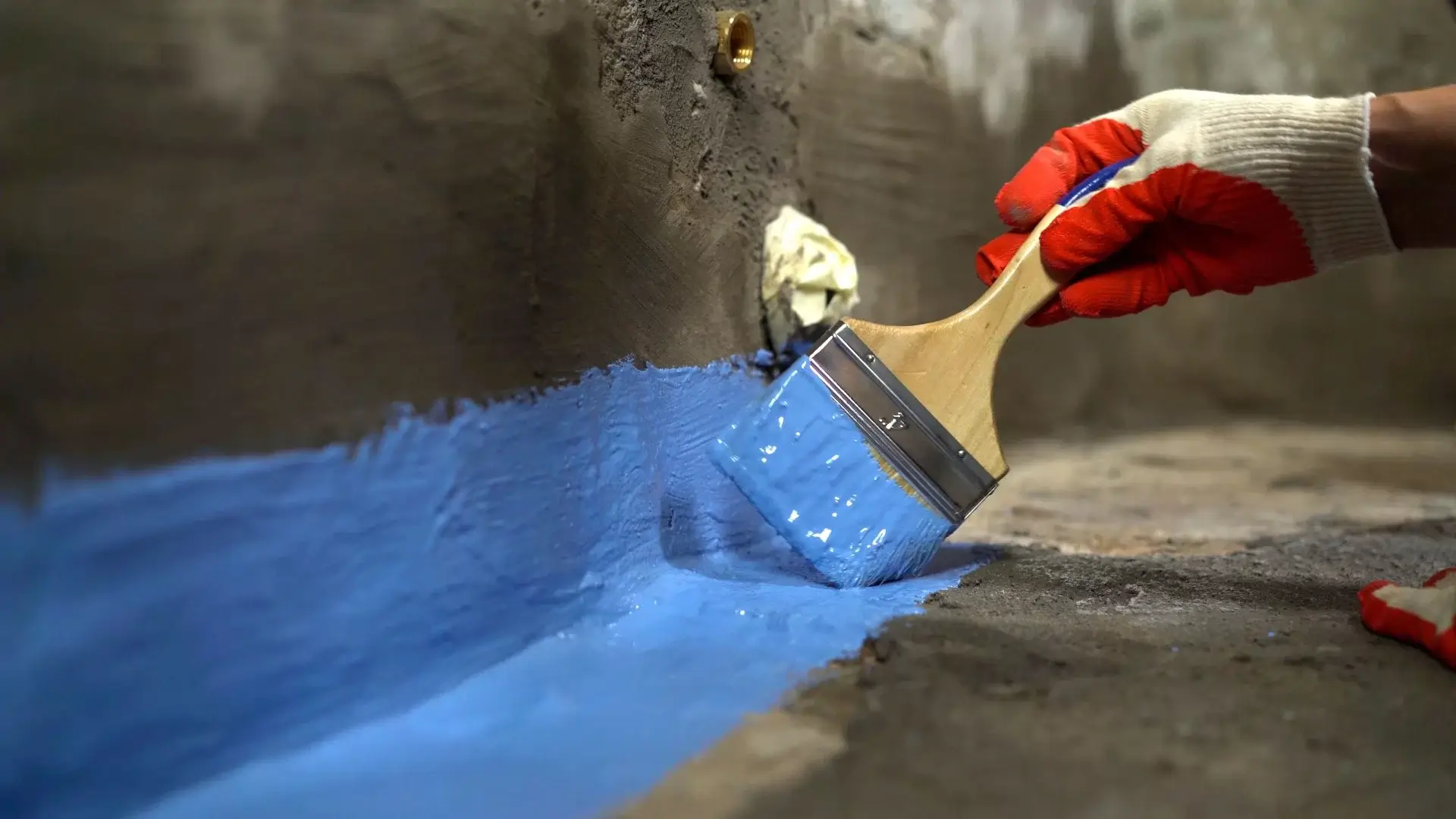

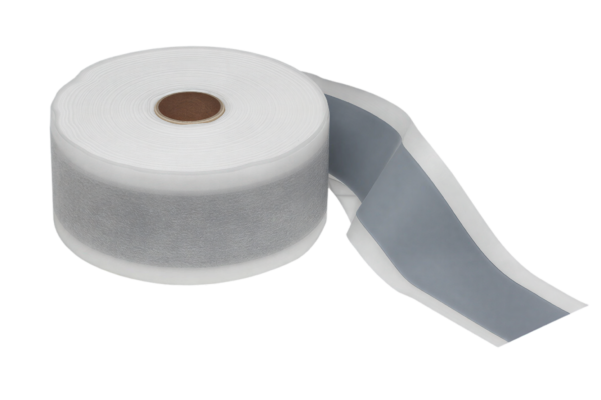
Waterproofing flexible sealing tape
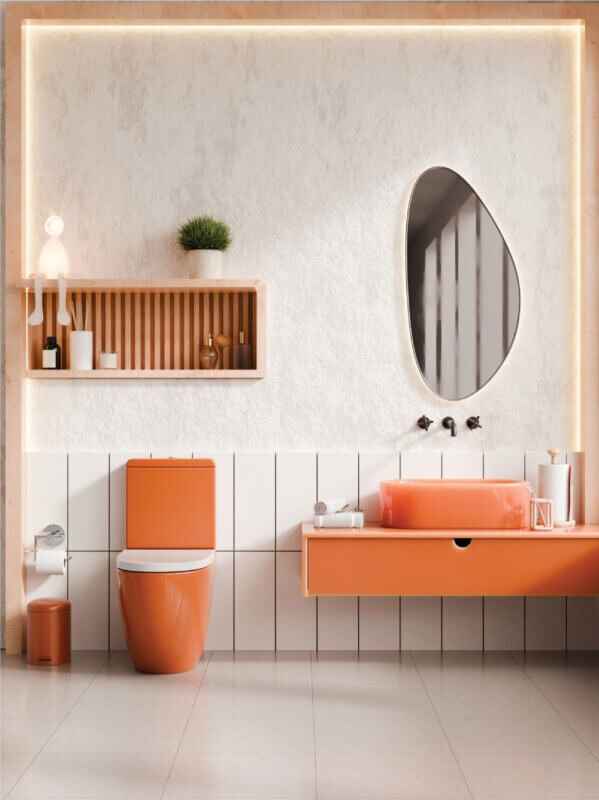
Areas that are consistently exposed to moisture, such as bathrooms, showers, kitchens, and sanitary facilities constructed with drywall materials (e.g., gypsum boards, chipboards), must be adequately waterproofed. This measure is crucial to prevent moisture-related damage and to avoid water leakage into adjacent spaces.
Typically, waterproofing is applied beneath the tiles in these humid environments. The waterproofing layer must ensure complete watertightness while also providing sufficient elasticity, as it is situated on substrates that may experience dimensional instability or vibrations. Additionally, this layer must be resistant and durable, as any future repairs to the waterproofing would be both challenging and costly.
For terraces that are to be tiled, the waterproofing layer should not only be compatible with the tile adhesive but also demonstrate elasticity, strong adhesion to the substrate, and long-lasting durability. These characteristics are particularly vital, as any necessary repairs—due to the location of the waterproofing layer—can be both expensive and time-consuming.
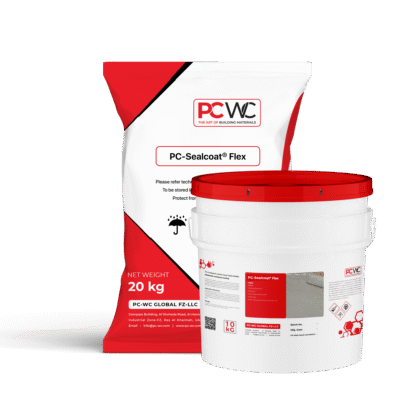
To meet waterproofing requirements, we recommend applying PC-Sealcoat® Flex, a highly flexible, two-component, cement-based slurry, to the walls and bottom of the pool. This waterproofing layer offers several advantages:
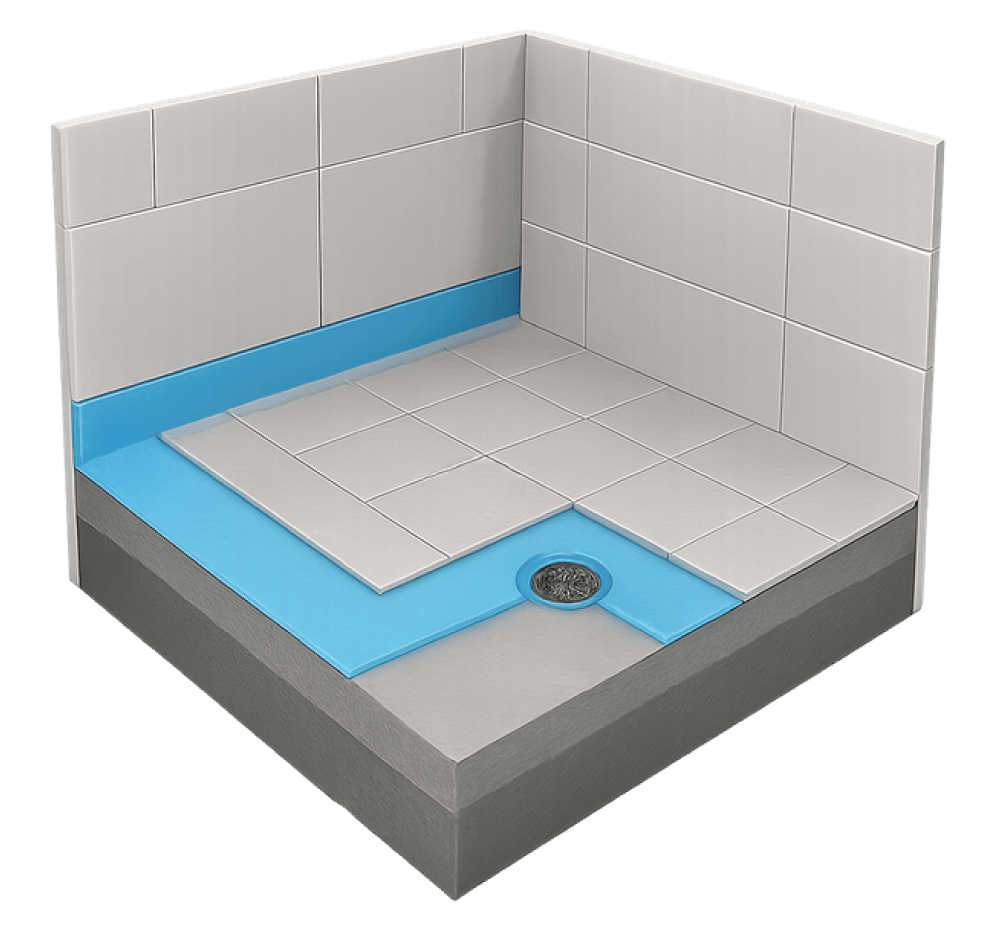
When overlaying with ceramic tiles, it is crucial to create a smooth and stable substrate for proper adhesion. If necessary, the substrate can be smoothed using a robust cement mortar.
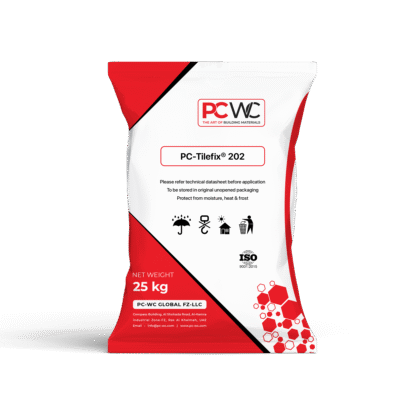
Tiles should be affixed to the walls and bottom of the pool using a polymer-modified tile adhesive such as PC-Tilefix® 202.
For grouting the Wet area tiles , we recommend PC-Tilefix® EP, a high-strength, chemical-resistant, two-component epoxy grout.
Waterproofing Solutions
Wet Areas